
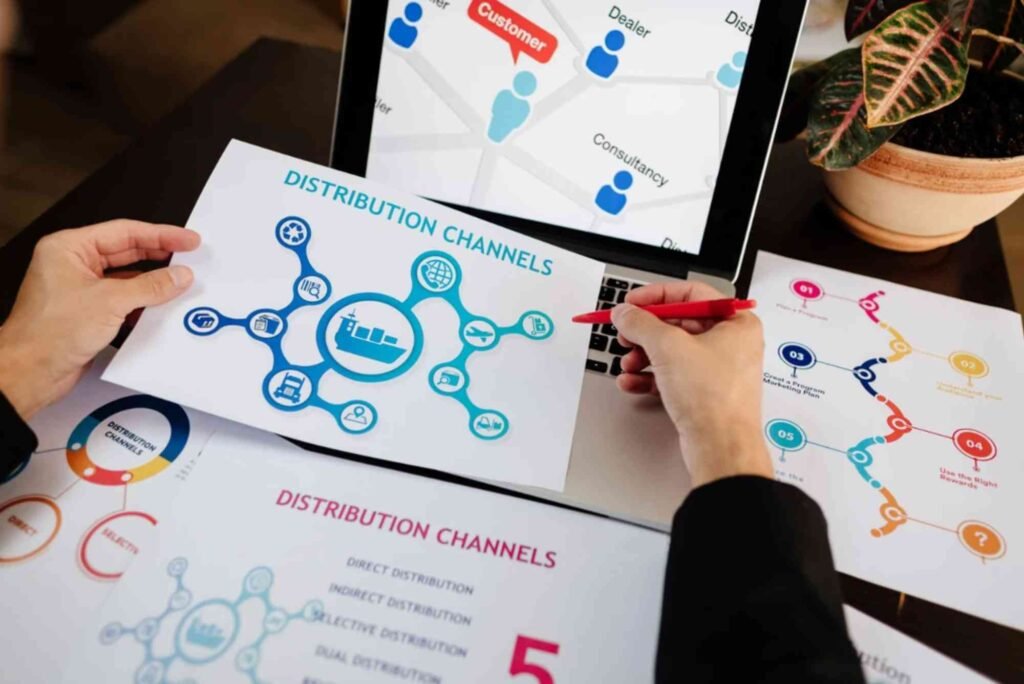
Introduction: Understanding How Technology Trends Influence Content Distribution
In today’s fast-changing digital world, How Technology Trends Influence Content Distribution has become one of the most important topics for marketers, creators, and businesses. Content is no longer distributed through traditional channels alone. Instead, technology has completely reshaped how information is created, shared, and consumed across multiple platforms.
The rise of artificial intelligence, automation tools, mobile-first indexing, and algorithm-driven platforms has changed how audiences discover content. Because of this, understanding How Technology Trends Influence Content Distribution is essential for anyone trying to build visibility online.
From social media algorithms to advanced analytics systems, every new innovation impacts how content reaches users. As a result, businesses must continuously adapt their strategies to stay competitive in an increasingly digital ecosystem.
Evolution of Content Distribution in the Digital Era
The journey of content distribution has shifted dramatically over the last two decades. Earlier, content was distributed through print media, television, and radio. However, with the rise of the internet, everything changed.
Today, How Technology Trends Influence Content Distribution can be seen in the way platforms prioritize personalized content delivery. Search engines, social media platforms, and streaming services now rely on advanced algorithms to decide what users see.
This evolution has created a highly competitive digital space where visibility depends on optimization, timing, and relevance.


Shift from Traditional to Digital Platforms
Traditional distribution relied on manual publishing and fixed audiences. Now, digital platforms enable real-time global reach. Businesses can publish content instantly and target audiences based on behavior, interests, and demographics.
This transformation highlights How Technology Trends Influence Content Distribution by making reach more precise and scalable than ever before.
Artificial Intelligence and Content Personalization
Artificial intelligence has become one of the strongest forces shaping modern content strategies. AI systems analyze user behavior, engagement patterns, and preferences to deliver personalized content experiences.
AI-Driven Recommendation Systems
Platforms like search engines and streaming services use recommendation engines to suggest content based on past interactions. This directly demonstrates How Technology Trends Influence Content Distribution, as content is no longer distributed equally but strategically.
Predictive Content Targeting
AI also helps predict what type of content users may engage with in the future. This allows businesses to plan and distribute content more effectively, increasing engagement rates and improving conversion potential.
Role of Mobile Technology in Content Distribution
Mobile technology has revolutionized content consumption. With smartphones becoming the primary device for internet access, content distribution strategies must now prioritize mobile users.
Mobile-First Indexing Impact
Search engines now prioritize mobile-optimized content when ranking websites. This change is a clear example of How Technology Trends Influence Content Distribution across SEO strategies.
Instant Content Accessibility
Mobile apps and responsive websites allow users to access content anytime, anywhere. This has significantly increased content consumption rates and changed how marketers structure their campaigns.
Social Media Algorithms and Content Reach
Social media platforms play a central role in modern content distribution. However, reach is no longer organic by default. Algorithms determine what content users see based on engagement signals.
Engagement-Based Distribution
Likes, shares, comments, and watch time influence how widely content is distributed. This algorithmic control is a core factor in How Technology Trends Influence Content Distribution.
Paid and Organic Content Balance
Brands now combine paid promotions with organic strategies to maximize reach. Social media platforms continuously adjust their algorithms, requiring marketers to adapt quickly.
Cloud Computing and Scalable Content Delivery
Cloud computing has improved the speed and scalability of content distribution systems. Businesses can now store, manage, and distribute large volumes of content efficiently.
Global Content Accessibility
Cloud networks ensure that content is delivered quickly across different geographical locations. This reduces latency and improves user experience.
Integration with Modern Tools
Cloud platforms integrate with analytics, automation, and AI systems, making content distribution more efficient and data-driven. This reinforces How Technology Trends Influence Content Distribution in modern digital ecosystems.
Table: Impact of Technology Trends on Content Distribution
| Technology Trend | Impact on Content Distribution | Business Benefit |
|---|---|---|
| Artificial Intelligence | Personalizes content delivery | Higher engagement rates |
| Mobile Technology | Enables mobile-first content access | Wider audience reach |
| Social Media Algorithms | Controls visibility and reach | Better targeting precision |
| Cloud Computing | Improves storage and delivery speed | Scalable distribution systems |
| Automation Tools | Streamlines publishing workflows | Faster content deployment |
| Big Data Analytics | Tracks user behavior patterns | Improved content strategy decisions |
This table clearly illustrates How Technology Trends Influence Content Distribution across different digital systems and platforms.
Automation and Content Workflow Efficiency
Automation tools have transformed how content is created, scheduled, and distributed. Businesses can now automate repetitive tasks and focus more on strategy and creativity.
Automated Publishing Systems
Content management systems allow scheduled publishing across multiple platforms simultaneously. This ensures consistency and improves efficiency.
Workflow Optimization
Automation reduces manual errors and improves coordination between teams. This is another strong example of How Technology Trends Influence Content Distribution in modern marketing environments.
Big Data Analytics in Content Strategy
Big data plays a critical role in understanding audience behavior. By analyzing large datasets, businesses can make informed decisions about what content to produce and how to distribute it.
Audience Behavior Insights
Analytics tools reveal how users interact with content, helping marketers refine their strategies.
Performance Tracking
Real-time performance data ensures that content strategies remain flexible and responsive to changes in user behavior.
This analytical approach strengthens How Technology Trends Influence Content Distribution by making strategies more precise and effective.
Internal Linking and SEO Integration in Content Distribution
SEO remains a fundamental part of content distribution. Internal linking structures help search engines understand website hierarchy and improve content visibility.
For example, modern businesses often explore resources like emerging technologies to understand how innovation shapes digital marketing ecosystems. This helps strengthen authority and topical relevance.
Similarly, leveraging professional SEO services ensures that content is properly optimized for search engines, increasing organic reach and visibility.
These SEO practices are essential in understanding How Technology Trends Influence Content Distribution in search-driven environments.
Streaming Platforms and On-Demand Content
Streaming platforms have changed how users consume video and audio content. Instead of scheduled programming, users now access content on demand.
Personalized Streaming Feeds
Platforms use algorithms to suggest content based on viewing history. This reinforces How Technology Trends Influence Content Distribution in entertainment industries.
Global Accessibility of Content
Streaming services allow content to reach global audiences instantly, removing geographical limitations.
Cybersecurity and Safe Content Distribution
As digital distribution grows, cybersecurity becomes increasingly important. Protecting content from unauthorized access and misuse is a key priority.
Secure Distribution Networks
Encryption and secure protocols ensure safe content delivery across platforms.
Trust and Data Protection
Maintaining user trust is essential for long-term engagement and brand credibility.
Security advancements further demonstrate How Technology Trends Influence Content Distribution in maintaining safe digital environments.
Future of Content Distribution Technology
The future of content distribution is expected to be even more intelligent and automated. Emerging innovations will continue shaping how content is delivered globally.
AI-Generated Content Systems
AI will increasingly assist in generating and distributing content tailored to user preferences.
Immersive Technologies
Virtual reality and augmented reality will introduce new content experiences, changing distribution formats entirely.
Hyper-Personalized Delivery
Future systems will deliver content based on real-time emotional and behavioral analysis.
These developments highlight the ongoing importance of How Technology Trends Influence Content Distribution in shaping digital communication.
Frequently Asked Questions (People Also Ask)
What is content distribution in digital marketing?
Content distribution refers to the process of sharing and promoting content across various digital platforms to reach a targeted audience. It includes social media, search engines, email, and other online channels.
How does technology affect content distribution strategies?
Technology impacts content distribution by enabling automation, personalization, analytics, and real-time delivery. This directly supports How Technology Trends Influence Content Distribution by improving efficiency and reach.
Why is AI important in content distribution?
AI helps analyze user behavior and recommend relevant content, increasing engagement and improving targeting accuracy.
What are the main channels for content distribution today?
Main channels include social media platforms, search engines, streaming services, mobile apps, and email marketing systems.
How will future technology change content distribution?
Future technologies like AI, AR, and VR will create more immersive and personalized content experiences, making distribution more dynamic and interactive.
Embracing the Future of Content Distribution
Understanding How Technology Trends Influence Content Distribution is essential for success in today’s digital landscape. From artificial intelligence and automation to mobile technology and cloud computing, every innovation reshapes how content is delivered and consumed.
Businesses that adapt to these changes will stay ahead in competitive markets. Those that fail to evolve risk losing visibility and engagement in an increasingly digital-first world.
To stay competitive, brands must invest in modern strategies, adopt emerging technologies, and continuously refine their distribution methods.
Related Reading: How to Expand Your Content Distribution Network