
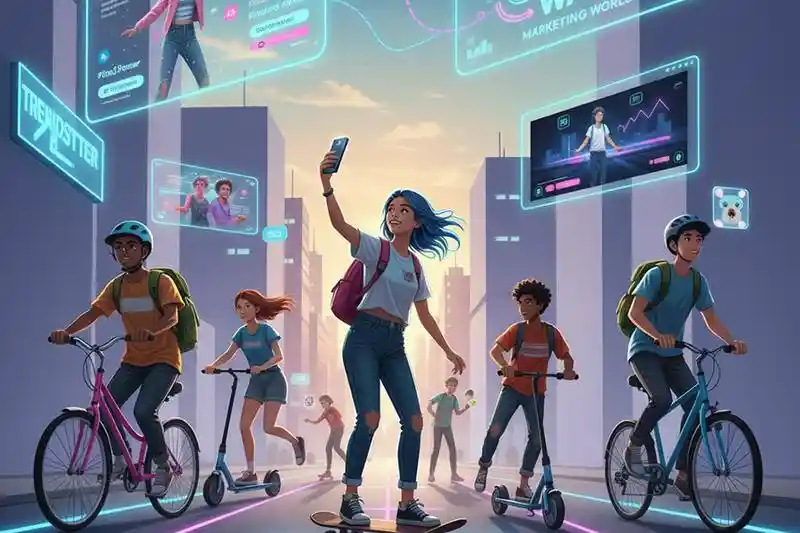
Gen Z is no longer the next generation when it comes to marketing. Even now, in 2026 when they’re still shaping trends, pushing consumption and determining which brands will and won’t succeed; which ones will survive and fade away quietly. Subscriber businesses that remain dependent on dated digital marketing playbooks are struggling to engage, convert, and retain attention.
It’s not about louder ads, or chasing trend for the sake of chasing the trend. It’s all about knowing how this generation thinks, what they value and how they engage with brands online. When you understand that, marketing is instantly less about persuasion and more about participation.
This article takes a look at the Gen Z trend in 2026, real generation Z marketing examples and how brands can adjust their strategy to keep up in an ever-changing digital world.
The Gen Z Trend in 2026
Yet, in 2026, Gen Z make up a significant portion of online consumers. They came up through the smartphone and social media age, with information a Google search away. It means they have a very different set of expectations compared to past generations.
This is because Gen Z does not distinguish between life online and off. They have lived digital experiences as part of their identity. Brands that feel out of touch with culture or reality are easy to detect and just as swiftly dismissed.
One of the most evident Gen Z trends is their craving for authenticity. They are extremely responsive to messaging that’s contrived, over-engineered or just simply overly salesy. They don’t want to be sold anything. They want to talk with brands.
Another defining trend is speed. Content is gobbled up quickly by Gen Z, which scrolls fast and makes decisions quickly. Value needs to be established within a few seconds, or the game is up.
Key Gen Z Behavior
Generation Z audiences want content that is raw and relatable. Flawless visuals matter far less than true storytelling. A phone-shot clip with a message can frequently be more impactful than an ad worth millions.
They also research before buying. Reviews, comments, community input and creator feedback are more important than brand claims. When it comes to trust, the building process is a social, not corporate function.
Gen Z is also very interactive. They are not just the audience anyway — that is how we used to put it: The audience watches a program, now people respond to it, remake it themselves and pass that version on. The more buttoned-up brands don’t ask, and they’re not as connected.
What Drives Each Gen Z Trend
Each and every Gen Z trend is based on the prevalence of information. They’ve grown up getting a look behind the curtain of businesses, influencers and creators. It’s made them wary, but also more astute.
Economic stress is also a factor. Many Gen Z consumers are conscientious, value-oriented and picky. They are not chasing luxury for the status. They want to buy brands that reflect the way they believe and live.
Social identity is another driver. Today’s Gen Z considers brands as a form of self-expression. What they purchase, follow or root for is who they are and what they believe in.
Top Platforms for Gen Z Marketing
To reach Gen Z, brands need to meet them where they are already spending their time. Old platforms are still relevant, but how content is served to those platforms needs to be tailored for platform culture. Marketing to Gen Z is not so much about being ubiquitous but rather relevant in the right places, and trust me you are going to need a PPC agency to help you with that.
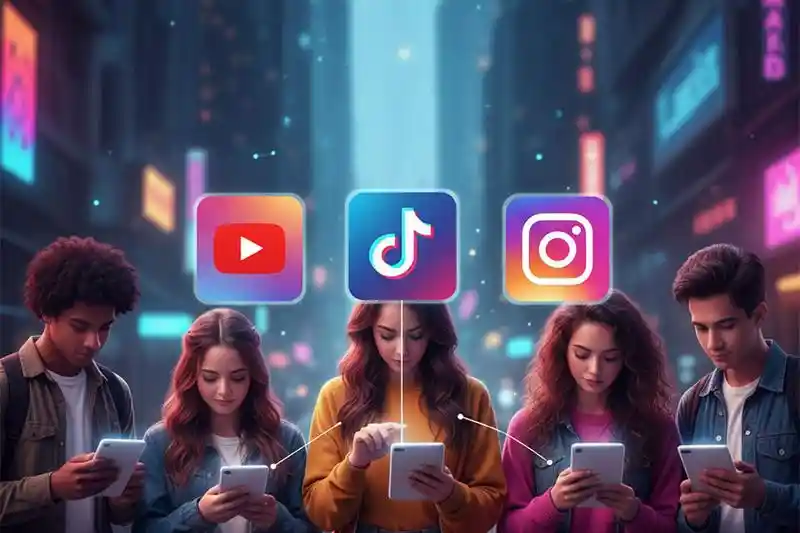
TikTok as a Core Channel
TikTok is not just a trend. It is a behavior shift.
In 2026, TikTok is still one of the most powerful platforms for reaching Gen Z. Instead of follower count, it values creativity, rapidity and relevance. This is what makes it potent for the new as well as the established brands.
Good generation Z marketing on TikTok looks native. It appears to be content, not an ad. Brands treating TikTok as an old-style ad platform can flounder.
Storytelling or funny, educational and behind the scenes content are doing well. Trends matter, but the reason a trend is influential matters more than simply copying it.
YouTube, Instagram, Snapchat
YouTube remains a big piece of the puzzle particularly for longer-form content. Gen Z goes to YouTube not only for entertainment, but also for learning, reviews and deep dives. Brands that educate through Tutorials, Explainers and Honest Reviews generate long term trust.
Instagram remains important, but the rules have changed. Reels get more attention than static posts, and Stories are for everyday interactions instead of manicured promotion. We use it because Gen Z likes ’em casual updates, not perfectly curated ones.
Snapchat is still very good at one-on-one personal and private communication. Brands that use it well emphasize exclusivity, timed promotions and community-style engagement.
Influencers And UGC In Marketing To Gen Z
Influencers remain important, but influence has shifted. What Gen Z is looking for are creators who seem authentic, not famous.
Most often, it’s micro-creators with smaller, but more dedicated followings that outshine large influencers. And of course, user-generated content is a massive part of it all. It’s more believable to see actual people using and talking about a product than it is to read or hear some branded message.
Smart brands treat influencers as collaborators, not billboards. This is a way to create content that better fits into Gen-Z feeds.
What Gen Z Really Buys in 2026
Knowing what Gen Z is buying can help explain how you should market to them. They are buying and reflecting their digital-first predilections, as well as their value focus.
They are not impulse buyers in the hardest sense of that term. Rather they sniff around, observe, sample, and then buy in when it aligns with their needs and identity.
Digital Products: Apps, Subscriptions, In Game Purchases
Gen Z is not averse to paying for digital value. Apps, subscriptions and in-game purchases are typical spending categories.
And they’re more than willing to pay for convenience, personalization and experiences that make life better. However, they are just as prompt to cancel subscriptions that don’t continue providing value.
Meaning the marketing has to be about benefits and not features. Gen Z wants to understand how something stamps itself onto their schedule.
Brands Gen Z Loves for the Aesthetic and Actually Sustainable
When it comes to visual identity, there is a concern not for aesthetics in the traditional sense of luxury. Gen Z is attracted to brands with defined aesthetics, powerful narratives and purposeful design.
Sustainability is crucial, but only where it rings authentic. Empty claims are easily spotted. No slogans, trust comes with real action from brands.
Purchasing decisions are frequently affected by ethics, transparency and community engagement.
Experiences, Events, and Online Communities
Gen Z is more interested in experiences than ownership. That’s assuming there’s a robust new event, digital community or interactive experience.
There are a lot of other things that have long-term loyalty around shared interests or value-based communities. Companies that spend on building community generally get better engagement and retention.
For Gen Z, being a part of something is more important than buying something.
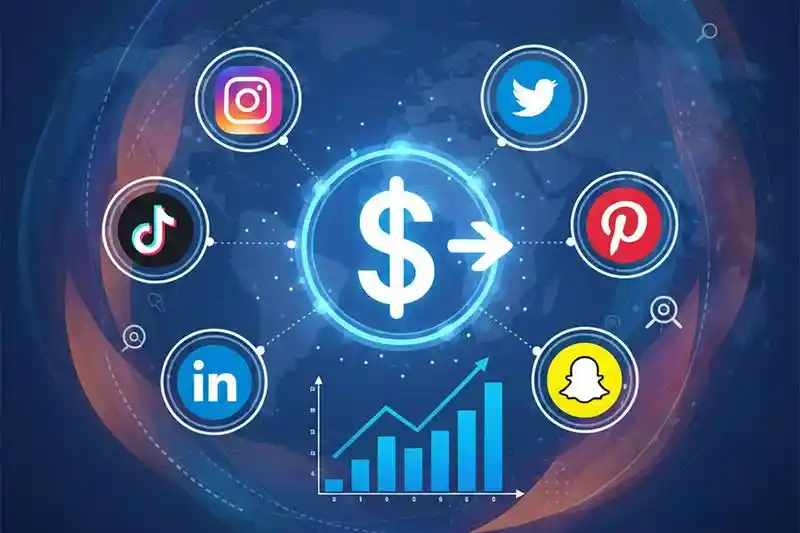
Goognetic Pay Per Click Advertising On Entire Social Media Sites
At Goognetic, we know marketing to Gen Z isn’t just all about regular PPC procedures. It takes platform-native tactics that recognize how Gen Z prefers to digest information.
Our PPC strategy combines data with cultural sensitivity. Whether on TikTok, YouTube, Instagram or elsewhere, we create campaigns that are native to the platform and drive performance.
We emphasize creative testing, audience insights and ongoing optimization to ensure campaigns resonate with Gen Z in authentic ways. As trends change so do our tactics.
Not forcing attention: Marketing to Gen Z is not about an attack. It’s about earning it. It is that point where performance meets relevance.
Final Thoughts
The Gen Z trend of 2026 isn’t an action or platform. It’s a mindset.
Gen Z wants honesty, speed and relevance. They support brands that get them and dismiss those that don’t.
For companies willing to change with the times, generation Z marketing holds vast promise. The secret will be to stop marketing at Gen Z and start building for them.
Brands that listen, test and remember to stay human will not only survive the change. They will lead it.
FAQ
- Is Gen Z really so different from Millennials?
Yes. While there is overlap, Gen Z is even more digitally native, even more skeptical of traditional advertising and even more focused on authenticity and values.
- What’s the single biggest marketing mistake when it comes to Gen Z?
Copying trends without knowing why. Gen Z prioritizes intention, not imitation.
- Do paid ads work for Gen Z?
Yes, when they feel native, relevant and respect that platform’s culture.
- Where is the best place for Gen Z marketing?
There is no single answer. TikTok, YouTube and Instagram all serve different purposes depending on goals and style of content.




6 Responses
Yo, be7k! Just checked out the site. Seems pretty legit. Good vibes! Definitely gonna bookmark this for later. Check it out here: be7k
Logged in to 5mbdangnhap. Worked like a charm. No issues at all. Pretty straightforward login experience. Nice and easy 5mbdangnhap
Hey, just checked out 688betbaixar. Seems like a decent spot to try your luck. Good vibes overall! 688betbaixar
Chidowin, eh? Definitely worth a look if you’re looking for something new. The site is slick and I had a decent run on the slots. Cheers! chidowin
Casinookgran’s got a good vibe. Fair dinkum selection of games and the payouts seem fair. I will be back! casinookgran
Gave casinobetzar a burl the other night. Not bad at all! Registration was easy and they’ve got a few games I haven’t seen elsewhere. Worth a punt. casinobetzar