
Introduction
In the evolving world of SEO, understanding How to Maintain Natural Anchor Text Distribution is a fundamental skill. A natural anchor text profile helps search engines understand your content and rank it with confidence. When done right, it strengthens your relevance, supports authority building, and protects your site from algorithmic penalties. However, many marketers still struggle to balance optimization with authenticity.
From my experience working with content teams and optimizing diverse sites, anchoring should always be intentional yet organic. This article explains how to maintain a natural anchor text distribution that supports visibility without risking over‑optimization.
The Core of Anchor Text and Its SEO Role
Anchor text refers to the clickable text in a hyperlink. It serves as a signpost for both users and search engines, hinting at the destination content’s topic. Search engines like Google use anchor text to evaluate context, relevance, and intent. Historically, SEO strategies focused heavily on exact match keywords within anchor text. But as search algorithms became smarter, over‑optimization began to trigger penalties.
Understanding anchor text distribution is about creating a healthy balance. Rather than forcing keywords into every link, modern SEO rewards diversity and natural usage. When anchor text reflects how people naturally write and talk, crawlers interpret it more confidently.
Why Natural Anchor Text Matters Today
Natural anchor text distribution is not just industry jargon. It’s now a critical part of sustainable SEO. Google’s algorithms analyze patterns in linking behavior. If your site uses too many exact match keywords in its anchor text, it may look manipulative. Even well‑intended internal links can raise red flags if they appear unnatural.
Natural distribution improves user experience by aligning link language with content expectations. This means users click links that feel intuitive and informative, not forced or mechanical. When you master natural distribution, you reduce the risk of manual actions from search engines and boost topical relevance.
Understanding What “Natural” Really Means
What does “natural” mean in the context of anchor text? It means that links appear as they would in ordinary language. Writers and editors often produce natural anchor text without thinking about SEO at all. They link phrases like read more about this topic, this case study, or learn the full process here. These types of anchors are broad and context‑driven.
Natural anchor text also includes variations of your target keywords. These can be branded terms, long‑tail phrases, or questions that people might actually type into a search bar. Instead of forcing your main keyword every time, mix diversely: branded, generic, partial match, long‑tail, and even naked URLs when appropriate.
Maintaining a diverse anchor profile signals authenticity and relevance. It shows that your linking strategy wasn’t engineered just to manipulate rankings.
Planning Your Anchor Text Strategy
Planning begins with understanding your content and goals. Before adding links, map out what you want users to accomplish and how links support that journey. Set clear editorial guidelines for links within your content team so that every anchor adds value to the reader.
Ask yourself: Is this link helping the user discover more? Is the anchor text descriptive enough to set expectations? Does it feel like a phrase a person would naturally use in conversation or writing? These questions anchor your linking decisions in helpfulness rather than SEO mechanics.
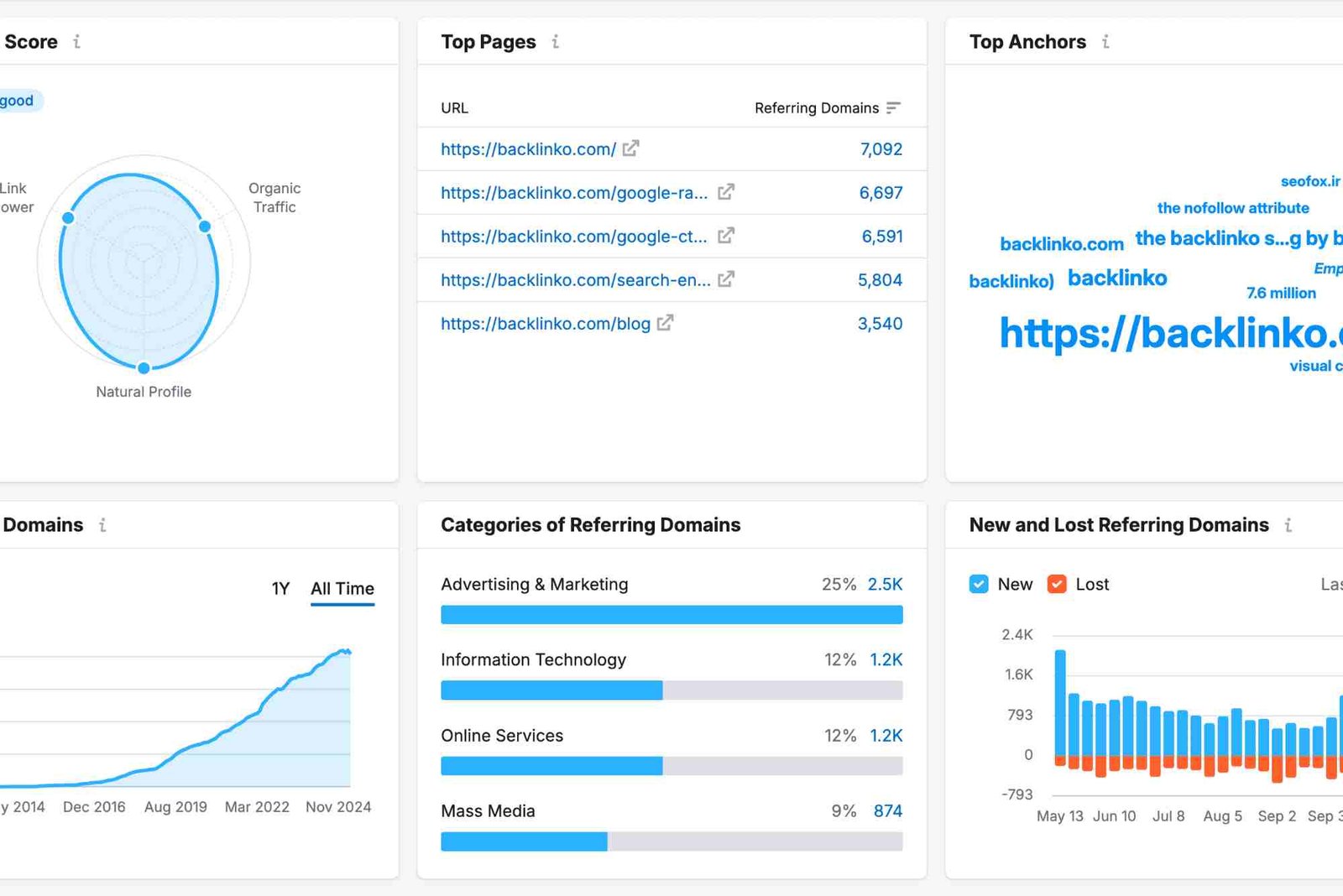
One practical approach involves auditing your existing links. Tools like Google Search Console or third‑party SEO platforms help you visualize your current anchor distribution. This reveals over‑reliance on exact matches and highlights opportunities to diversify.
Internal Linking: A Balanced Approach
Internal links are one of the best ways to help search engines crawl and index your site more thoroughly. They also guide users to related topics, improving engagement metrics. But even internal anchors must follow natural distribution.
When linking internally, use varied anchor text. Instead of repeating the same exact phrase, use synonyms, related topics, and descriptive language. For example, if you have a page about content marketing, you might link to related material using phrases like “explore content planning tips,” “advanced editorial strategy,” or “what content marketing means for your brand.”
Naturally placed internal links can also support related SEO topics like SEO keywords when they appear in the editorial flow. An internal link to best practices reinforces context: for insights on building content relevance, check out this guide on SEO keywords.
Too many exact matches in internal linking might seem helpful, but they can appear repetitive and unnatural to both users and crawlers. Prioritize readability and usefulness.
External Linking and Anchor Diversity
External links also contribute to your anchor text profile. Linking to reputable sources adds credibility and context. When you cite research, industry standards, or authoritative examples, anchor text should reflect natural usage. Instead of linking every reference with a targeted keyword, use phrases like “according to this report,” “data from,” or “research shows.”
External links can be especially effective when they enhance your arguments. By linking contextually and naturally, you show readers that your content is well‑researched and connected to the broader digital ecosystem. This strengthens trust, and search engines reward trust.
Avoiding Over‑Optimization and Penalties
Search engines like Google penalize manipulative linking patterns. Historically, sites that used exact match anchors excessively—especially with low‑quality backlinks—were hit by algorithmic filters. Today, both internal and external anchor profiles are analyzed for unnatural patterns.
Over‑optimization can happen when you:
- Use the same keyword‑rich anchor excessively.
- Force links where they don’t help the user.
- Link with phrases that don’t actually describe the destination content.
Instead, focus on naturalness. Let anchor text flow with the language of your content. Avoid unnatural patterns and instead anchor links where they genuinely support user comprehension.
Strategies for Achieving Anchor Text Diversity
Achieving diversity means incorporating a range of anchor types. These include:
- Branded anchors
- Generic anchors (e.g., “this study,” “read more here”)
- Partial keyword matches
- Long‑tail variations
- Naked URLs where suitable
By integrating such variety, you demonstrate natural linking behavior. This not only helps search engines but also improves the user’s reading experience. When links feel intuitive, users are more likely to engage, explore further, and trust your content’s accuracy.
A practical editorial checklist helps. Before publishing, ask: Does this anchor text reflect real language? Is the link placed where it enhances understanding? Is there unnecessary keyword stuffing? These questions keep your approach grounded.
Monitoring and Maintaining Over Time
Just like content quality, anchor text distribution needs periodic review. As your site grows, new links get added and patterns shift. Regular audits help you identify clustering of similar anchors and correct where necessary.
Use analytics platforms to track performance. Look for pages with unusually high bounce rates or low engagement where anchor choices might be confusing. Update links over time to reflect current user intent and keyword trends.
Any update process should be guided by two principles: relevance and natural language. If a link no longer serves users, revise or remove it. If new internal resources become available, add relevant links with natural anchors.
The Human Element in Anchor Creation
At its core, natural anchor text distribution is about humans writing for humans. While SEO guidelines provide frameworks, anchor text should feel conversational and logical. When editors think about how a real reader will interpret a link, choices become intuitive.
Natural writing avoids repetitive phrasing and instead prioritizes clarity and direction. You might anchor to a future topic with a question like “Curious how this works?” rather than an exact SEO phrase. Both convey context, but the latter feels human.
This human‑centric thinking aligns with Google’s broader shift toward user‑experience metrics and content relevance. Search engines reward authenticity and penalize mechanics that feel fabricated.
Case Example: Balancing SEO and Natural Writing
Imagine an article about local fitness studios. Instead of linking every mention of “best workouts in town” with the exact phrase, a natural distribution might include:
- highlighting a brand name (e.g., Orangetheory Mountain View)
- linking phrases like “find your optimal workout routine”
- using a descriptive anchor like “learn more about our training classes”
Each of these uses natural language that aligns with how a reader would speak or search. This flow helps search engines interpret relevance without over‑optimizing.
Common Mistakes to Avoid
Avoiding specific pitfalls keeps your anchor strategy healthy. One common mistake is repeating the same anchor phrase in every paragraph. Even if it’s your target keyword, too much repetition becomes unnatural.
Another error is linking content that isn’t closely related. If the destination page doesn’t deliver on the anchor’s promise, users feel misled. This hurts engagement and trust.
How SEO Services Enhance Anchor Strategy
Professional SEO services often include anchor text analysis as part of their optimization plans. These services leverage tools and expertise to identify patterns, suggest variations, and ensure distribution remains natural. By integrating strategic insights with editorial best practices, SEO professionals help websites grow authority without encountering penalties.
Preparing for the Future of Anchor Text
Search engines continue to evolve. Natural language processing and semantic analysis make anchor text even more contextual. Instead of relying solely on specific phrases, algorithms interpret meaning, intent, and user behavior.
This trend makes natural anchor distribution even more crucial. When you base linking decisions on clear communication rather than rigid rules, you prepare your content for future algorithm changes. The emphasis on user value will only deepen over time.
Bringing It All Together
To maintain natural anchor text distribution, you must think like both a writer and a strategist. Let language lead your linking choices, and let optimization support readability. By diversifying anchors, prioritizing relevance, and auditing regularly, you build a linking profile that search engines trust and users appreciate.
Approaching anchor text with intent rather than automation delivers long‑term SEO benefits. It fosters authenticity, strengthens relevance, and safeguards your site against over‑optimization risks. Ultimately, natural anchor distribution isn’t a tactic—it’s a mindset rooted in helpful content delivery.
Frequently Asked Questions
What is anchor text distribution and why does it matter?
Anchor text distribution refers to the variety and balance of anchor phrases used in your links. It matters because natural distribution signals authenticity to search engines, improving relevance and reducing penalties.
How often should I update my anchor text strategy?
Periodically. As your content library expands, review anchor usage every few months to ensure diversity, relevance, and natural language are maintained.
Can internal links hurt my SEO?
They can if over‑optimized or placed without user context. Internal linking should always enhance the reader’s understanding and use natural anchor text.
Is exact match anchor text still useful?
Yes, in moderation. Exact match can signal relevance but should be balanced with other anchor types to avoid over‑optimization.
Does anchor text influence rankings?
Anchor text helps search engines understand context and relevance, which can influence rankings. However, natural usage and user experience should remain priorities.
Mastering Natural Anchor Text Distribution
Understanding How to Maintain Natural Anchor Text Distribution is essential for modern SEO. It bridges the gap between search engine expectations and human communication. By focusing on relevance, diversity, and readability, your links become powerful tools for navigation and ranking.