
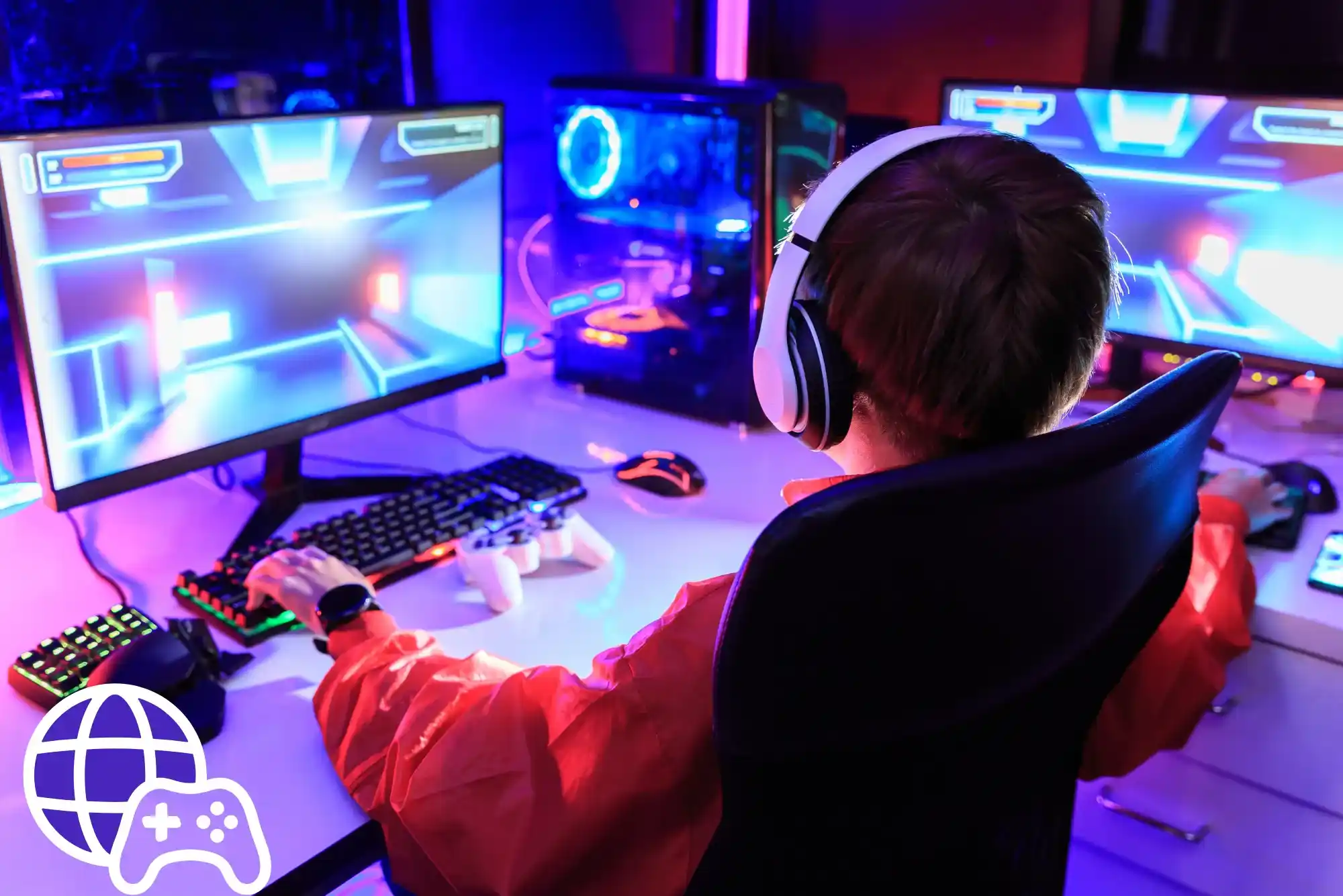
People used to think of e-sports and online games as nothing more than hobbies, but now they’re seen as great ways to reach goals, be creative, and make money. What people used to call “just playing games” is now a new digital frontier where planning, hard work, and quick thinking can save lives.
Indian young people are getting jobs in cities and small places that didn’t exist ten years ago. They get paid to play in tournaments, get sponsors, and stream. They also build groups with people from all over the world and different languages. As the country has become more digital, users who never had access to old-school methods can now succeed. Now and then, you hear about students who use prize money to pay for school or streamers who make money by making videos to support their families.
This change is more than just fun for a whole generation; it’s a new way of thinking about what it means to be successful. E-sports are no longer a secret hobby; they show how talented India is and how much it wants to fight on a global level.
Real Lives Changed: Stories of Indian Gamers
Ved “Beelzeboy” Bamb From Nagpur to World Champion
As “Beelzeboy” online, Ved Bamb is a software engineer from Nagpur who won the first e-sports world title in India. The Pokémon GO World Championships 2025 were held in Anaheim, California. He beat more than 200 players from more than 40 countries to win. He became popular all over the world with this win, and Indian e-sports took a big step forward on the world stage.
Ved’s story wasn’t one of instant fame. He started playing Pokémon GO in 2016, but had to stop because of schoolwork. He came back during the pandemic with a new focus. He learned how to play the game better online, entered national tournaments, and eventually made it to the world stage. His story shows how easy it is to get into esports these days. A dedicated player from Nagpur can compete at the highest level in the world without any formal sponsorship or elite training facilities.
Naman Mathur, Also Known as “Mortal,” is a Streamer and Athlete
Naman Mathur, better known as Mortal, is another name that is closely linked to Indian esports success. His rise through PUBG Mobile and later Battlegrounds Mobile India marked the start of a new era for Indian gaming. Mortal wasn’t just a gamer; he also made content, had a following, and ran a business. He had a digital personality that inspired millions of people and played competitive video games.
Mortal is unique because he can enjoy both professional e-sports and live streams online. There are millions of people who follow him on YouTube, and as the co-founder of Team S8UL, he helped build India’s e-sports scene. India’s gaming is no longer just about winning tournaments, as his story shows. It’s now a job that includes fun, branding, and teaching.
Jobs, Salaries, and Chances in the Industry
For a lot of Indian athletes, e-sports are no longer just a fantasy; they’re their employment. Top players, especially those on well-known teams, may generate extra money by winning prizes, selling products, and getting digital sponsorships.
The economy doesn’t just affect the players, though. There are now whole businesses that deal with e-sports, such as organizing teams, preparing events, marketing, broadcasting, and creating gaming hardware. People connect and get jobs in video games like YouTube Gaming, Rooter, and Loco.
Big firms are also putting a lot of money into e-sports because they think it’s the next big thing that will get kids interested. Companies that sell cell phones, smartphones, and even energy drinks now support tournaments because they see the cultural and financial potential in India’s gamers. What started as a pleasant hobby has turned into a big business that creates jobs and digital ideas for individuals all around the country.
Changes in Society and Culture
Esports are changing more than just the business in India. They are also changing the culture. Families that didn’t like video games before are now beginning to see how helpful they can be. Parents who once told their kids to “put that phone down” now happily share videos of their kids playing video games on social media. People have a very different view of games now. Now, it’s seen as a skill-based game that rewards attention, discipline, and working together.
Why does it matter where a player comes from? How good they are and how hard they work are what count. India’s competitive game scene has given young people who may not have had much access to global platforms before more chances. This is possible because data plans and mobile access are cheap.
But there are some bad things about how quickly e-sports have grown. When you feel like you have to do well all the time, it can wear you down and hurt your mental health. Players who don’t know what they’re doing have lost money in tournaments and games that cost money and aren’t controlled.
It’s important to make sure there is a clear separation between professional e-sports sites and gambling sites. This will help protect the players and the reputation of the business.
Businesses and governments are helping to set up e-sports events as they become more popular. E-sports are now recognized as a sport by some Indian federations and are played at events with other sports. New academic programs are also being created to help people get jobs in the game industry. These things help make this area look more serious.
How Esports Can Make a Difference
These days, online games and e-sports are a key part of India’s digital adventure. They have opened doors that no one could have seen coming, given millions of people hope that their ambitions can come true, and made new chances for those from small regions.
Indian gamers illustrate that ability and opportunity can take you anywhere. Consider Ved “Beelzeboy” Bamb, who won the global championship, and Naman “Mortal” Mathur, who made a lot of money streaming.
E-sports lets Indian youths and young adults play games and talk to individuals from all over the world. This digital stage is all about speed, agility, and brainpower. These days, people work hard to become famous instead of just being lucky.